The "Closed-Door" Strategy:
Curating High-Impact VIP Dinners for C-Suite Prospecting

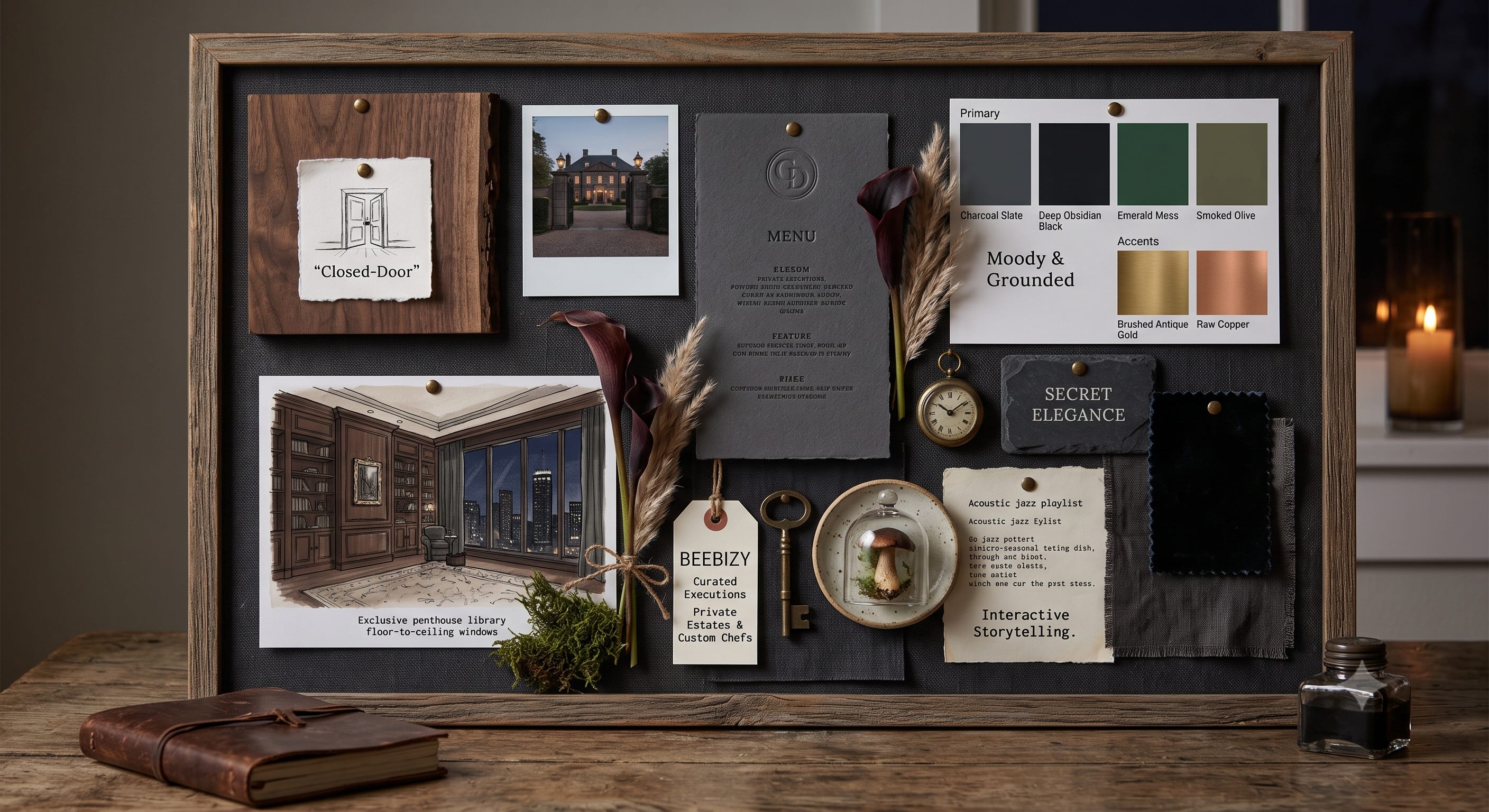
The steakhouse private room is dead.
For years, the playbook for closing multi-million dollar enterprise deals looked the same: book a curtained-off room at a high-end franchise, order a round of ribeyes, and pitch a slide deck over the sound of a bustling restaurant.
But if you are chasing seven- and eight-figure contracts, your prospects don’t just want a free meal—they want an experience. C-suite executives are fiercely protective of their time. To get them in a room, you need to offer exclusivity, intimacy, and an environment that feels less like a sales pitch and more like a private society.
Enter the “Closed-Door” Strategy. Here is how to move away from loud, generic venues and design a sensory culinary experience that disarms executives and fosters genuine relationships.
1. Ditch the Restaurant, Find the Estate
True exclusivity starts with the venue. If a prospect can simply make a Resy reservation at your venue on any given Tuesday, the magic is gone.
Instead of traditional restaurants, look toward:
Historic private estates or penthouses
Hidden architectural gems and secret gardens
High-end art galleries after hours
By hosting your roundtable in a space that is genuinely restricted to the public, you immediately elevate the perceived value of the invitation. It signals to a busy CXO that this evening is a rare, unmissable event.
2. Design a Sensory, Distraction-Free Environment
When an executive steps through the door, the goal is immediate psychological disarming. They should instantly transition from “work mode” to “relationship mode.”
The Visuals: Move past white tablecloths. Work with a design team to create custom, understated floral backdrops and moody, intentional lighting. Every visual element should feel bespoke, not corporate.
The Acoustics: In a public restaurant, you are competing with background noise, forcing guests to lean in and shout. A private venue allows for a controlled acoustic environment—perhaps a live, low-profile acoustic musician—ensuring that high-level industry insights can be shared effortlessly across the table.
3. Curate a Storytelling Menu
Food shouldn’t just be sustenance; it should be a conversation starter. Instead of a standard three-course drop, collaborate with a private chef to build a custom menu tailored to the evening’s theme or the regional demographics of your guests.
Pro Tip: Have the chef introduce each course personally, sharing the origin of the ingredients. This creates natural breaks in the business conversation, keeps guests engaged, and provides an easy, low-pressure talking point for executives who are still warming up to the room.
4. The Golden Rule: Facilitate, Don’t Pitch
The fastest way to ruin a high-impact VIP dinner is to pull out a projector or hand out corporate brochures. The “Closed-Door” Strategy relies on peer-to-peer connection.
Your job as the host is to act as the ultimate facilitator. Guide the conversation around shared industry pain points, allow the executives to learn from one another, and position your brand as the community builder. The pipeline and the deals will naturally follow the trust you establish.
Ready to Lock in Your Next Closed-Door Win?
Designing, sourcing, and executing a flawless executive dinner requires flawless production—and your sales team doesn’t have time to manage catering contracts and floral installations.
Let Beebizy handle the heavy lifting. From scouting secret venues to managing bespoke chef menus, we build the environments where your biggest deals get done.
👉 Let Beebizy curate your next executive roundtable dinner series.